Tooth extractions in Berthoud, CO
Sometimes, the best thing is a fresh start
When a tooth needs to come out, you want someone who knows what they're doing. We perform a full range of extractions right here in Berthoud, including wisdom teeth and other complex cases.
Gentle, skilled, and done right here
What is a tooth extraction?
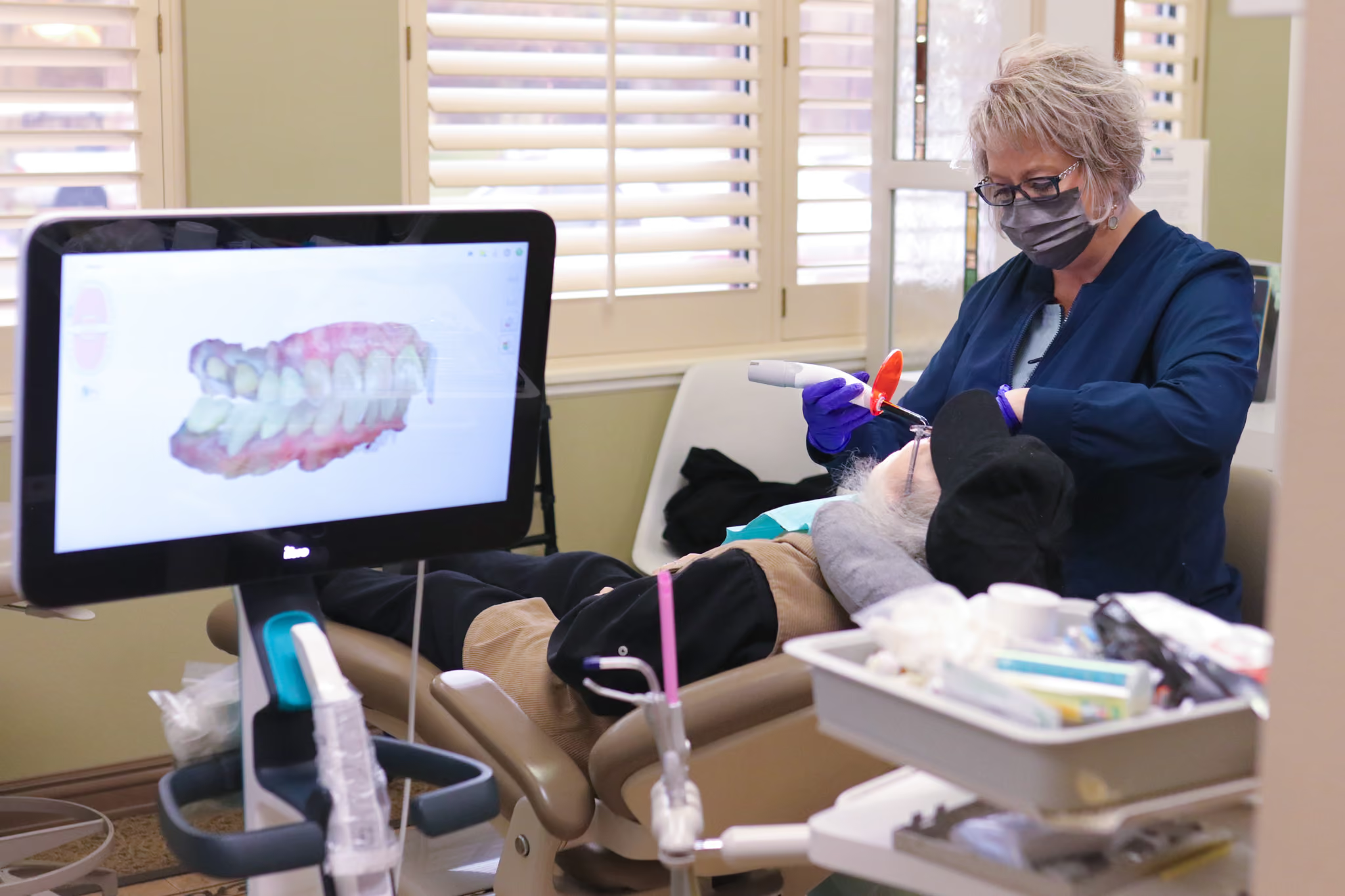
A tooth extraction is the removal of a tooth from its socket in the jawbone. While preserving natural teeth is always the goal, there are situations where an extraction is the most appropriate and most effective path forward, whether that's a tooth that's been severely damaged by decay or trauma, a tooth that's infected beyond what a root canal can address, a problem wisdom tooth, or a tooth that needs to come out to make room for other treatment. At Berthoud Family Dentistry, Dr. Sean performs basic extractions, surgical extractions, and wisdom tooth removals, including impacted wisdom teeth, right here in our office. His advanced surgical training means patients who might otherwise be referred to an oral surgeon can often be treated without leaving town. The goal is always to make the experience as comfortable and straightforward as possible, and to set you up with a clear plan for what comes next.
Why it matters
The benefits of timely tooth extraction
Holding onto a tooth that can't be saved does more harm than good. A timely extraction stops infection in its tracks, relieves pain that may have been building for some time, and clears the way for a restoration that actually works. The sooner a compromised tooth is addressed, the more options you typically have for what comes next.

Immediate pain relief
A tooth that needs to come out is almost always causing some level of discomfort, whether that's a dull ache, sharp pain, or persistent sensitivity. Removing it eliminates the source of that pain entirely, and most patients feel significantly better within a day or two of the procedure.
Stop infection from spreading
An infected tooth that can't be saved is an active threat to the surrounding teeth, bone, and tissue. Extracting it removes the source of infection before it has the chance to spread, protecting your overall oral health and preventing a manageable situation from becoming a much more serious one.
Make space for what comes next
Extractions are often the first step in a larger treatment plan, whether that's making room for a dental implant, a bridge, or in the case of wisdom teeth, simply protecting the alignment and health of the surrounding teeth. Getting the extraction done promptly keeps the rest of your plan on track.
Types of extractions
Basic extractions
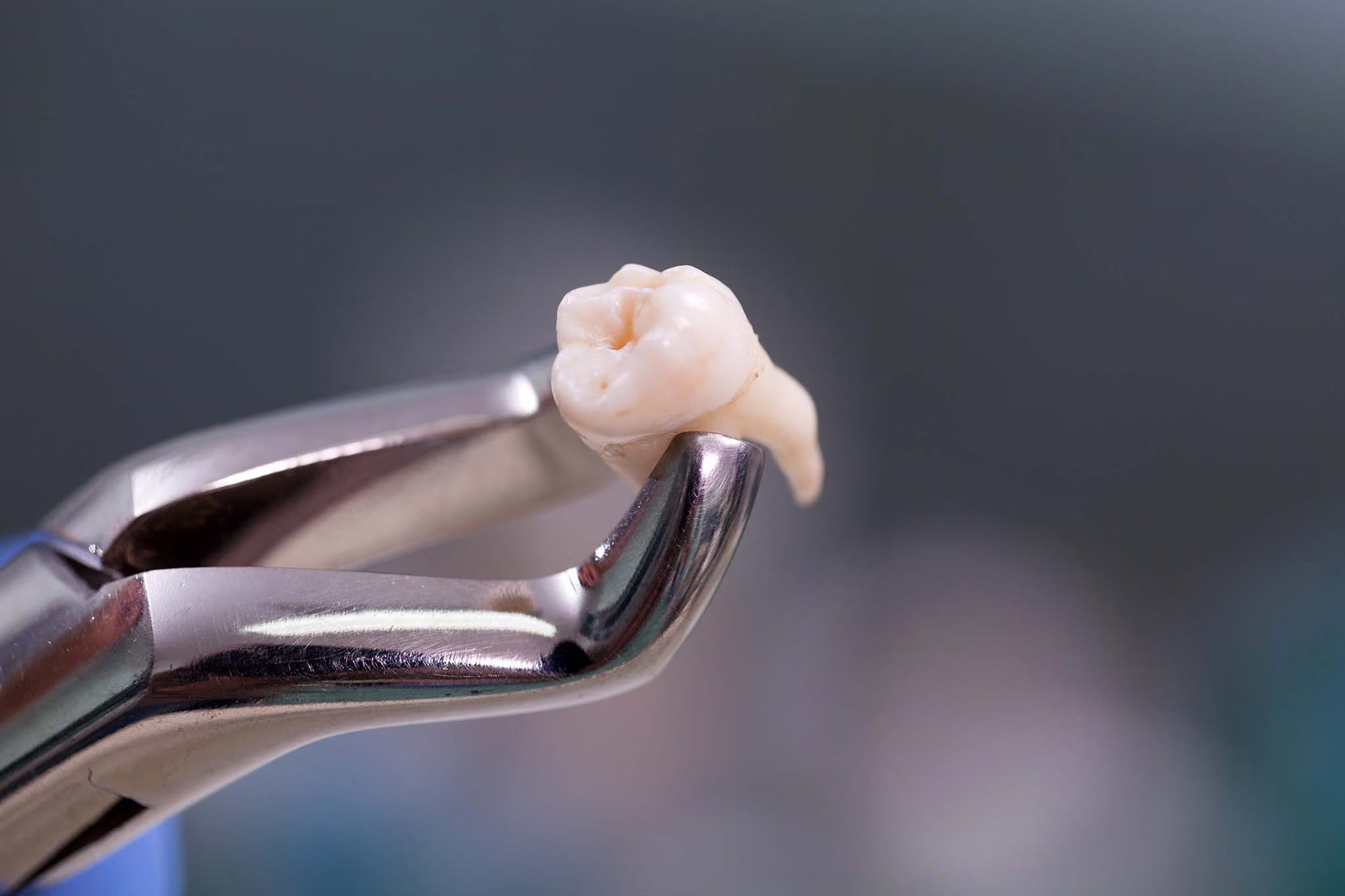
A basic extraction involves the removal of a tooth that has fully erupted and is accessible above the gumline. The area is fully numbed before anything begins, and we use careful, controlled technique to loosen and remove the tooth as gently as possible. Most basic extractions are completed in a single appointment and take just a few minutes once the anesthesia has taken effect. You'll leave with clear aftercare instructions and we'll make sure you know exactly what to expect during recovery before you go.
Surgical extractions
A surgical extraction is needed when a tooth is not fully accessible above the gumline, whether because it's broken off at the gumline, has curved or complex roots, or is otherwise difficult to remove with basic techniques alone. Our advanced surgical training means we're equipped to handle cases that many general dentists would send to an oral surgeon, right here in our office. The procedure involves making a small incision in the gum tissue to access the tooth, and in some cases dividing the tooth into sections to remove it more safely and comfortably. The area is fully numbed throughout, and most patients are surprised by how manageable the experience is.
Wisdom tooth extractions
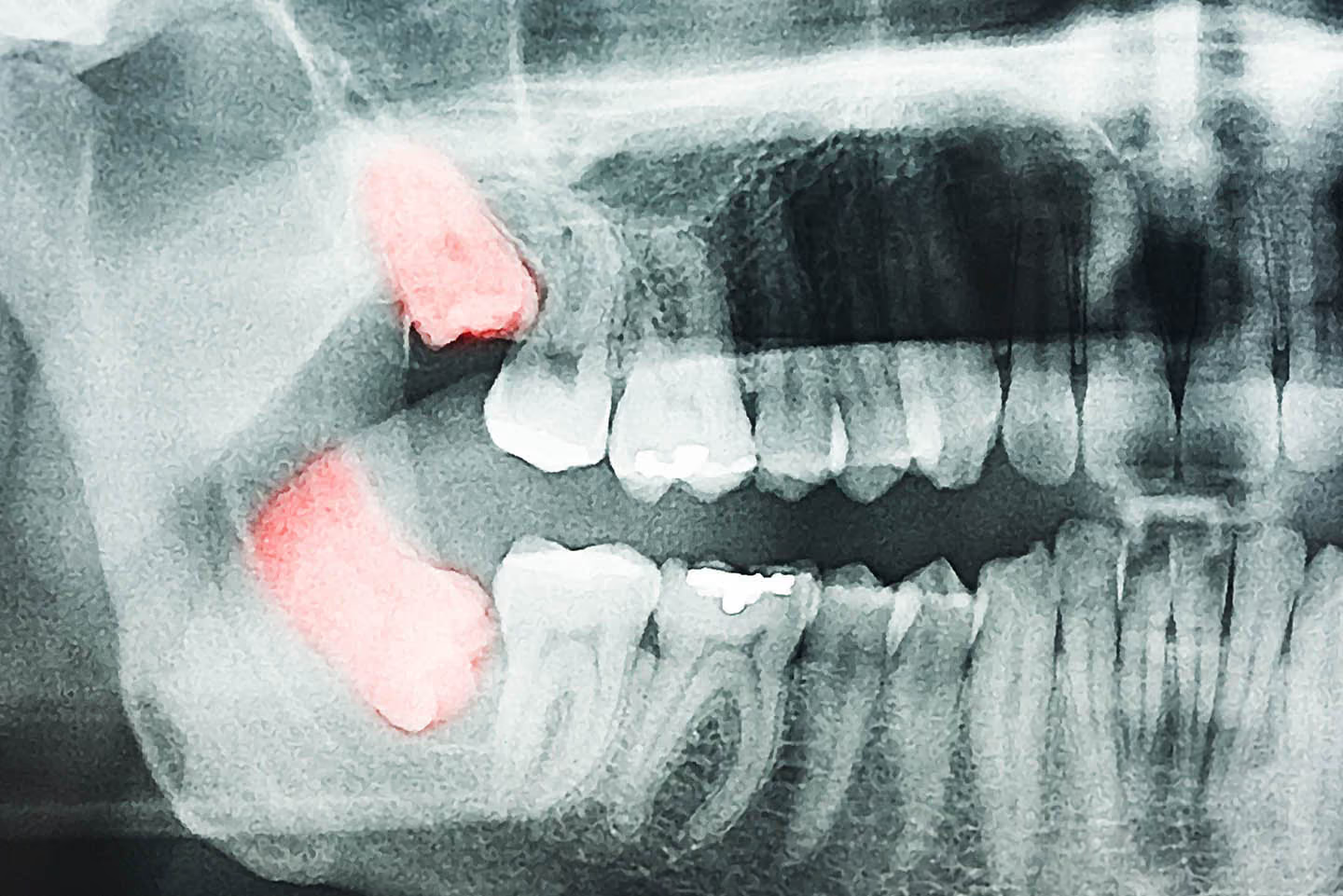
Wisdom teeth, or third molars, are the last teeth to come in and the ones most likely to cause problems. When they don't have enough room to erupt properly, they can become impacted, meaning they're trapped beneath the gumline or growing at an angle that puts pressure on the surrounding teeth. Impacted wisdom teeth can cause pain, crowding, infection, and damage to neighboring teeth if left in place. We remove both erupted and fully impacted wisdom teeth right here in our office, which means most patients won't need a referral to an oral surgeon. Whether you're coming in with symptoms or a dentist has recommended removal, we'll take the time to walk you through exactly what the procedure involves and what recovery looks like before anything begins.
Bone grafting after extraction
When a tooth is removed, the bone that once supported it begins to deteriorate over time, a process called resorption. If you're planning to replace the extracted tooth with a dental implant, preserving that bone at the time of extraction gives the implant the best possible foundation. We perform bone grafting right here in our office, often at the same appointment as the extraction, to maintain the bone volume at the site and keep your options open for future restoration. It's one of the services that sets our practice apart. When we checked with other offices in the area, we were the only ones offering bone grafting, which means patients coming to us avoid the referral and the extra appointments that would otherwise be required.
The extraction process
Evaluation and treatment planning
Before any extraction, we'll review your X-rays and assess the tooth to fully understand what's involved. We'll confirm that extraction is the right course of action, discuss whether a bone graft makes sense at the same appointment, and walk you through what the procedure involves and what recovery typically looks like. If you're anxious about the procedure, this is also a good time to discuss sedation options. We offer nitrous sedation for patients who want to feel more relaxed during treatment.
The extraction
The area around the tooth is fully numbed before anything begins. We'll gently loosen the tooth from the surrounding ligament and bone using specialized instruments before removing it from the socket. For surgical extractions, a small incision may be made in the gum tissue to access the tooth, and the tooth may be sectioned to make removal safer and more comfortable. Throughout the procedure, we work carefully and deliberately to minimize trauma to the surrounding tissue and set the site up for the smoothest possible recovery.
Recovery and next steps
After the extraction, we'll place gauze over the socket and give you detailed aftercare instructions to follow during the healing period. You can expect some swelling, mild discomfort, and minor bleeding in the first day or two, all of which are normal and manageable. Most patients recover comfortably within a few days. We'll also discuss your options for replacing the extracted tooth, whether that's an implant, a bridge, or another solution, so you leave with a clear sense of what comes next.
Frequently Asked Questions
Still Have Questions?
We're happy to talk through your options before you commit to anything. Give us a call and we'll point you in the right direction.
The procedure itself should not be painful. The area is fully numbed with local anesthesia before anything begins, and we'll make sure you're completely comfortable before we start. You may feel some pressure and movement during the extraction, but not pain. If at any point during the procedure something doesn't feel right, let us know immediately and we'll address it. After the anesthesia wears off, some soreness and mild discomfort is normal and usually manageable with over-the-counter pain relief or a prescription if needed.
Dry socket occurs when the blood clot that forms in the extraction socket is dislodged or dissolves before the wound has healed, exposing the underlying bone and nerves. It's the most common complication after an extraction and can cause significant discomfort. To reduce the risk, avoid smoking, using straws, spitting forcefully, or eating hard or crunchy foods in the first few days after your procedure. We'll go over all of the aftercare steps in detail before you leave, and if you develop symptoms of dry socket, call us right away so we can treat it quickly.
In most cases, yes. Leaving a gap where a tooth was removed can lead to the surrounding teeth shifting out of position, bone loss at the extraction site, and changes in your bite over time. The only common exception is wisdom teeth, which don't typically need to be replaced because they serve no essential function. For all other teeth, we'll discuss your replacement options, including dental implants and bridges, and help you determine the best path forward for your specific situation.
Don't just take our word for it
Here's what patients are saying about their experience at Berthoud Family Dentistry.
“I've been a patient here for 10 years. I didn't know what proper dental care was until I came here. I used to have bleeding gums and other problems but I now have zero problems. Everyone is friendly, I actually enjoy going to the dentist.”

“Dr. Sean Adams is the best! I needed a wisdom tooth pulled out that was broken and in tons of pain. He got me in first thing and pulled it out. His dental assistant Jackie is the best! The front office lady Sarah is wonderful!”
“Great service, the staff are all very nice and they remember you. I feel like my hygienist and dentist actually care about me and the health of gums and teeth.”
“I had all four wisdom teeth removed here and the experience was great. The dentist and staff were kind, professional, and made me feel comfortable throughout the entire process. Everything went smoothly and recovery has been going well. Highly recommend this office!”
“Dr. Adams did a great job easing any anxiety I had and did a great job answering my questions! would 10/10 reccommend”
Ready to find your new dental home?
Whether you're new to Berthoud or just ready for a practice that finally feels right, we'd love to meet you.