Root canal therapy in Berthoud, CO
Relieve your pain, save your tooth
Root canal therapy is one of the most misunderstood procedures in dentistry. In the right hands, it's straightforward, comfortable, and the best way to save a tooth that would otherwise be lost.
It's not as scary as you think
What is root canal therapy?
Root canal therapy is a procedure used to treat infection or inflammation deep inside a tooth, in the soft tissue known as the pulp, where the nerves and blood vessels live. When decay, a crack, or repeated dental procedures allow bacteria to reach the pulp, the result is often significant pain, swelling, and sensitivity that won't go away on its own. At Berthoud Family Dentistry, Dr. Sean performs both anterior and posterior root canals, which means most patients won't need a referral to an endodontist. We remove the infected or inflamed tissue, clean and shape the canals inside the root, and seal everything to prevent reinfection. The tooth is then restored, typically with a crown, so it looks and functions just like it did before. You'll be treated by the same team that knows your history, in a place that already feels familiar.
Why it matters
The benefits of root canal therapy
Root canal therapy has a reputation that doesn't reflect the reality of the procedure for most patients. When it's done well, it's the most effective way to relieve serious dental pain, eliminate infection, and preserve a natural tooth that would otherwise need to be extracted.


Relieve the pain for good
The pain associated with an infected tooth comes from the inflamed or infected pulp tissue inside it. Root canal therapy removes that tissue entirely, which means the source of the pain is gone, not masked. Most patients feel significantly better within a day or two of treatment.
Keep your natural tooth
Preserving a natural tooth is almost always preferable to extracting it. Your natural tooth maintains the integrity of your jawbone, keeps neighboring teeth in place, and functions better than any replacement option. Root canal therapy gives a tooth that would otherwise need to come out a second chance.
Stop the infection from spreading
A dental infection doesn't stay put. Left untreated, it can spread to surrounding teeth, the jawbone, and in serious cases, beyond the mouth entirely. Root canal therapy eliminates the infection at its source before it has the chance to become something significantly more serious.
Types of root canals
Anterior root canals
Anterior root canals involve the front teeth, including the incisors and canines, which typically have a single, more straightforward root canal compared to back teeth. Because these teeth are more visible, precision matters both clinically and aesthetically. We approach every anterior root canal with the detail and care the location demands, making sure the final restoration blends naturally with the surrounding teeth. Most anterior root canals are completed in a single appointment, followed by a separate visit to place the final crown or other restoration.
Posterior root canals
Posterior root canals involve the premolars and molars, which are the teeth that do most of the heavy lifting when you chew. These teeth often have multiple roots and more complex canal systems, which makes the procedure more involved than an anterior case. Our advanced training and experience with endodontic procedures means we're well-equipped to handle posterior root canals that many general dentists would refer to a specialist. Completing the procedure in-house means you stay with the same team throughout your care, which leads to better, more coordinated outcomes.
The root canal process
Diagnosis and treatment planning
Root canal therapy always starts with a thorough evaluation. We'll review your X-rays and assess your symptoms to confirm that a root canal is the appropriate treatment and to understand the anatomy of the tooth before anything begins. If there's any sign of active infection, we may prescribe antibiotics to help bring it under control before the procedure. You'll know exactly what to expect, how many appointments are involved, and what the tooth will look like when treatment is complete before you commit to anything.
The root canal procedure
The area around the tooth is fully numbed before anything begins, so the procedure itself is typically no more uncomfortable than getting a filling. We'll create a small opening in the top of the tooth to access the pulp chamber, remove the infected or inflamed tissue, and carefully clean and shape each canal. The canals are then filled with a biocompatible material called gutta-percha and sealed to prevent bacteria from re-entering. A temporary or permanent filling is placed to close the access point, and the appointment is typically complete within one to two hours depending on the complexity of the case.
Restoration and recovery
Once the root canal is complete, the tooth will need to be restored to protect it and bring it back to full function. In most cases, that means a crown, which we'll place at a follow-up appointment after the tooth has had time to settle. You may experience some mild soreness in the area for a day or two after the procedure, which is completely normal and usually manageable with over-the-counter pain relief. We'll give you clear aftercare instructions and let you know what to watch for during recovery.
See what's possible
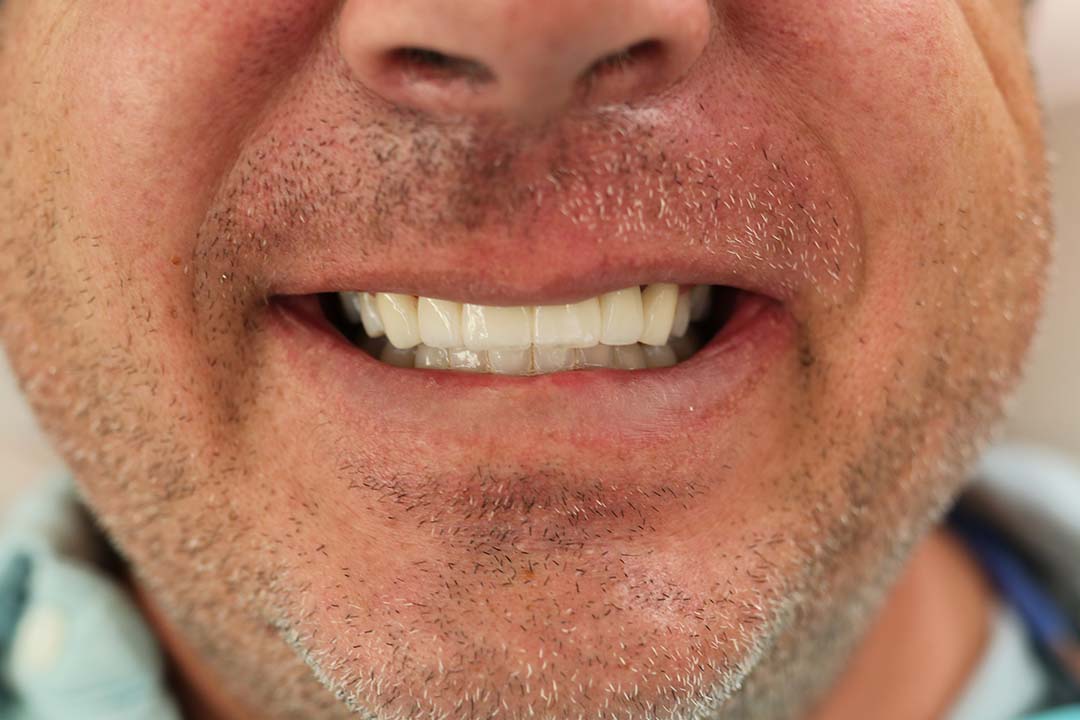
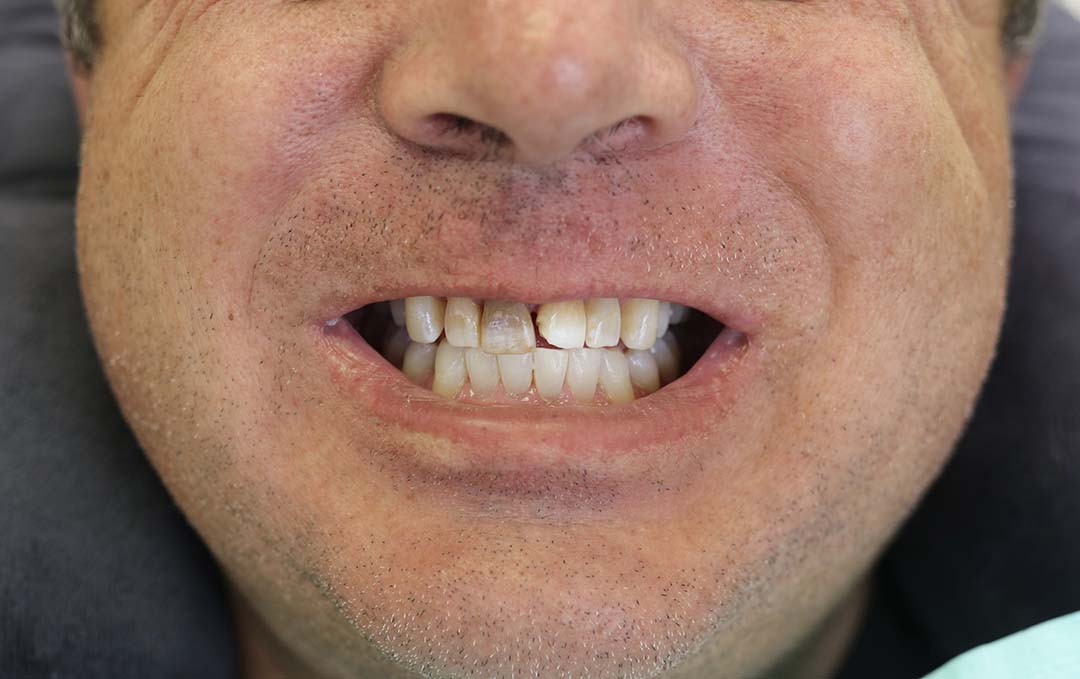
Take a look at real smile transformations from our patients and see the kind of results we deliver every day.
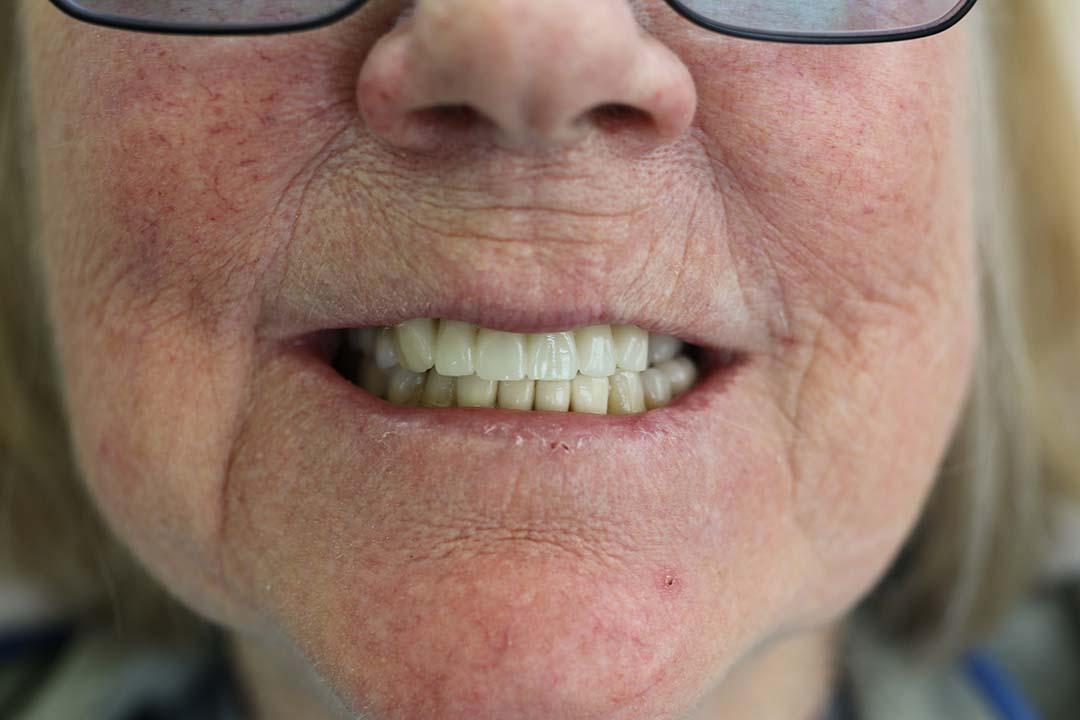
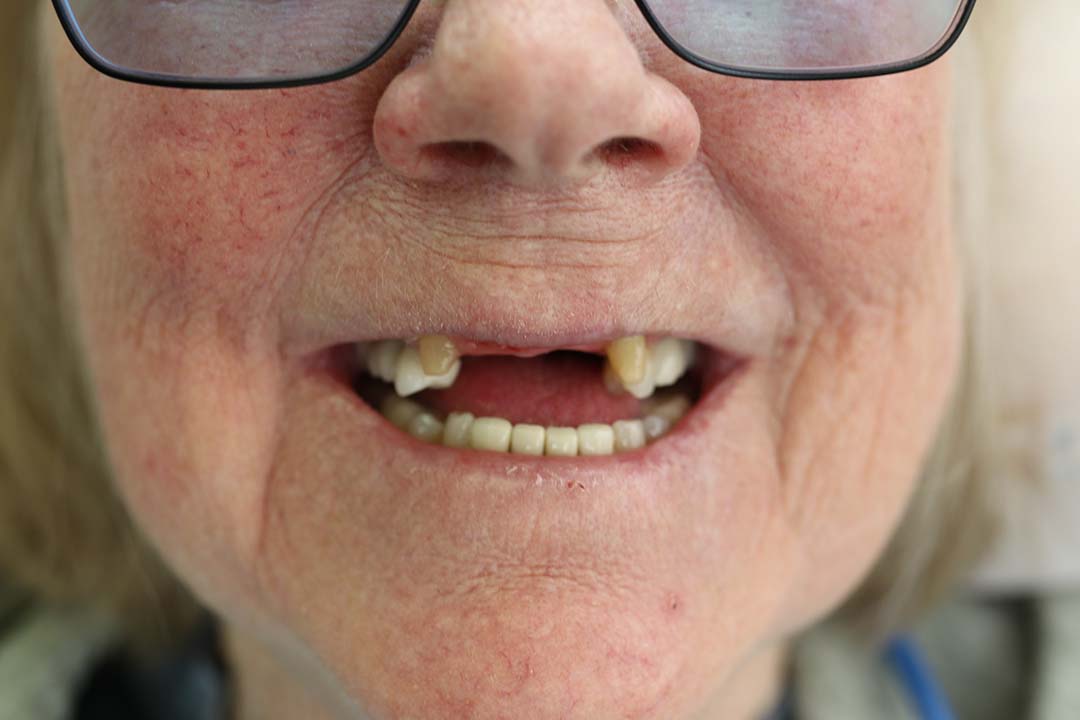
Gwen
Multi Unit fixed bridge to replace extracted front teeth.
Rob
Multi Unit fixed bridge to replace extracted front teeth.
Frequently Asked Questions
Still Have Questions?
We're happy to talk through your options before you commit to anything. Give us a call and we'll point you in the right direction.
This is the question we hear most often, and the honest answer is that for most patients, the procedure itself is surprisingly comfortable. The area is fully numbed before anything begins, and modern techniques make the experience far less dramatic than its reputation suggests. What tends to hurt is the infection leading up to the root canal, not the treatment itself. Most patients leave wondering what they were so worried about.
Common signs include a persistent or severe toothache, prolonged sensitivity to hot or cold that lingers after the source is removed, a darkening of the tooth, swelling or tenderness in the surrounding gum, or a pimple-like bump on the gum near the affected tooth. That said, some teeth that need root canals don't cause obvious pain at all, which is one of the many reasons regular exams matter. If you're experiencing any of these symptoms, call us and we'll get you in to take a look.
After the procedure, it's normal to experience some mild soreness or sensitivity in the area for a few days, particularly when biting. This typically resolves on its own and can be managed with over-the-counter pain relief. You'll return for a follow-up appointment to have the final restoration, usually a crown, placed over the treated tooth. Once the crown is in, the tooth should feel and function completely normally.
Don't just take our word for it
Here's what patients are saying about their experience at Berthoud Family Dentistry.
“I've been a patient here for 10 years. I didn't know what proper dental care was until I came here. I used to have bleeding gums and other problems but I now have zero problems. Everyone is friendly, I actually enjoy going to the dentist.”

“Dr. Sean Adams is the best! I needed a wisdom tooth pulled out that was broken and in tons of pain. He got me in first thing and pulled it out. His dental assistant Jackie is the best! The front office lady Sarah is wonderful!”
“Great service, the staff are all very nice and they remember you. I feel like my hygienist and dentist actually care about me and the health of gums and teeth.”
“I had all four wisdom teeth removed here and the experience was great. The dentist and staff were kind, professional, and made me feel comfortable throughout the entire process. Everything went smoothly and recovery has been going well. Highly recommend this office!”
“Dr. Adams did a great job easing any anxiety I had and did a great job answering my questions! would 10/10 reccommend”
Ready to find your new dental home?
Whether you're new to Berthoud or just ready for a practice that finally feels right, we'd love to meet you.